
Free job hazard analysis (JHA) templates
Each job hazard analysis breaks a common construction task into steps. You'll see what can go wrong at each step and how to control it.
What a job hazard analysis is
A job hazard analysis (JHA, sometimes called a job safety analysis or activity hazard analysis) breaks a task into steps, lists what could go wrong at each step, and explains how the crew will control it. The people doing the work should help write it, and they should sign to show they've read it.
78 templates
 PopularJob hazard analysisJHA: Working from a ladderUse a stepladder or extension ladder for short, light tasks such as fixture work, cable pulling, and reaching above-ceiling access.5 stepsView
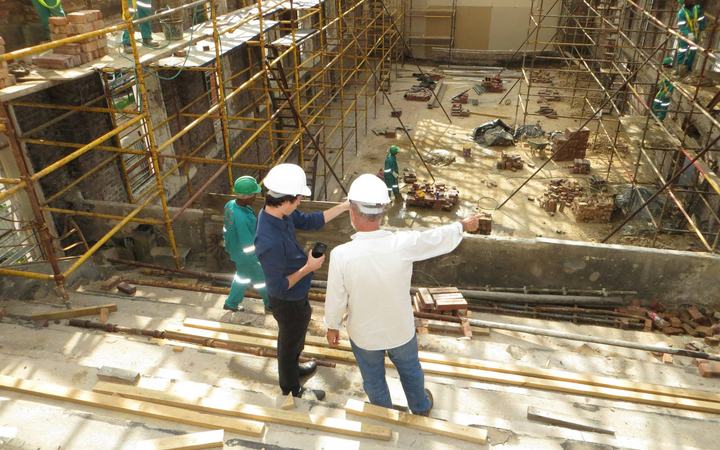 Job hazard analysisJHA: Scissor and boom lift operationUse scissor lifts and boom lifts to work at height, such as above-ceiling work, exterior finishing, and overhead installation.4 stepsView
 Job hazard analysisJHA: Electrical work and lockout/tagoutPanel work, troubleshooting, and any task where a circuit could be live.5 stepsView
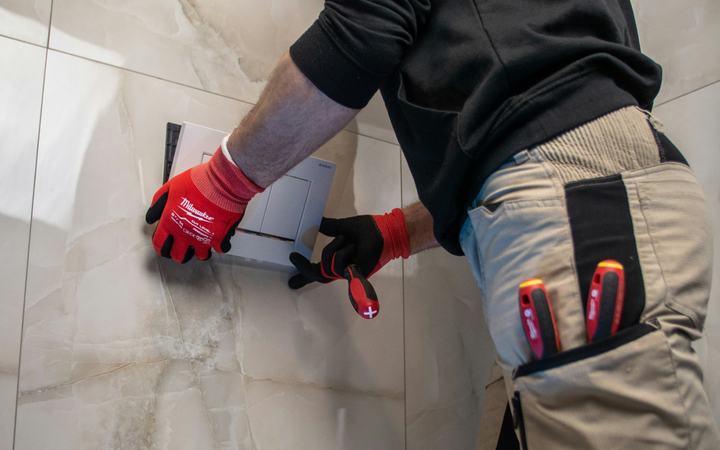 Job hazard analysisJHA: Cutting, welding, and grinding (hot work)Any task that makes sparks, flame, or heat, such as welding, torch cutting, brazing, soldering, and grinding.4 stepsView
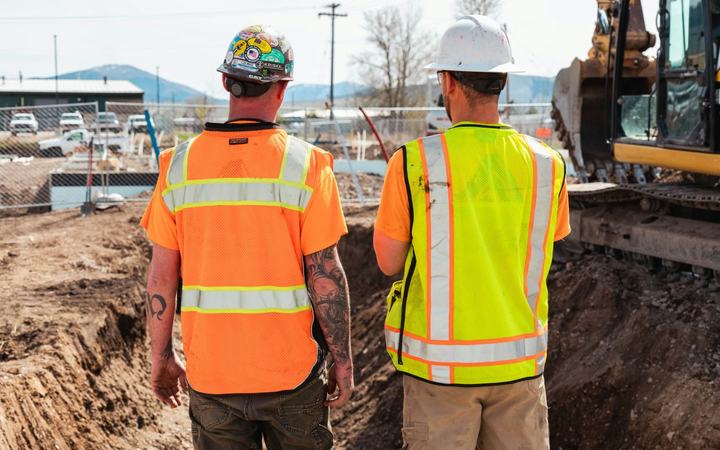 Job hazard analysisJHA: Trenching and excavationDigging trenches and excavations for utilities, footings, and drainage.5 stepsView
- PopularJob hazard analysisJHA: Working at height and fall protectionWork near edges, on roofs, and on elevated surfaces where a fall is possible.5 stepsView
- Job hazard analysisJHA: Manual lifting and material handlingLifting, carrying, and positioning materials by hand, such as drywall, pipe, conduit, bags, and boxes.4 stepsView
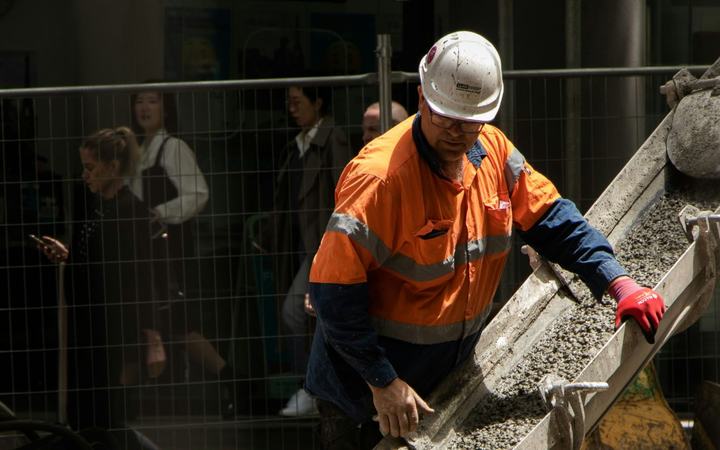 Job hazard analysisJHA: Hand and power tool useUsing drills, saws, grinders, nail guns, and other hand and power tools.4 stepsView
 Job hazard analysisJHA: Setting up the site and fencingSet out the site perimeter, install fencing and gates, and put up signs before work starts.4 stepsView
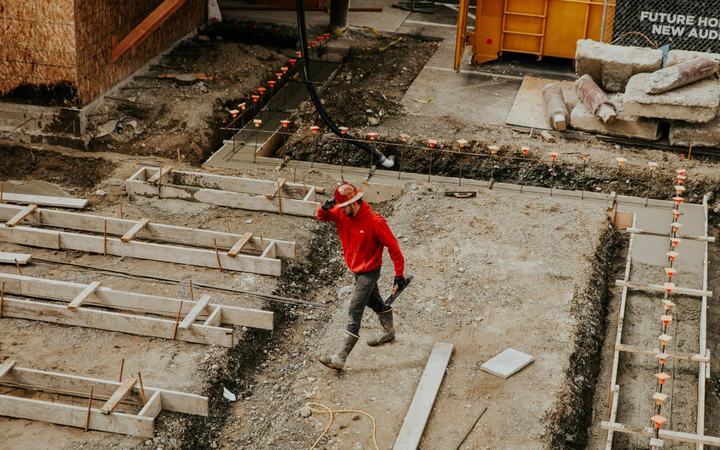 Job hazard analysisJHA: Receiving and unloading deliveriesDirect delivery vehicles onto the site and unload materials without anyone being struck or strained.4 stepsView
 Job hazard analysisJHA: Removing waste and debrisCollect, carry, and dispose of waste so it doesn't block routes or injure anyone.4 stepsView
- Job hazard analysisJHA: Installing temporary lightingHang and connect temporary lights in work areas, stairs, and corridors.4 stepsView
- Job hazard analysisJHA: Surveying and layoutSet out lines, levels, and control points on an active site.4 stepsView
- Job hazard analysisJHA: Working at nightCarry out normal site tasks after dark or in poor light.4 stepsView
- Job hazard analysisJHA: Working in cold weatherWork outdoors in cold, wet, or icy conditions.4 stepsView
- Job hazard analysisJHA: Preparing for storms and high windSecure the site before and during storms, strong wind, or lightning.4 stepsView
- Job hazard analysisJHA: Installing shingle roofingLay underlayment and shingles on a pitched roof.5 stepsView
- Job hazard analysisJHA: Installing low-slope and flat roofingLay membrane, insulation, and flashing on a flat or nearly flat roof.5 stepsView
- Job hazard analysisJHA: Erecting and dismantling scaffoldsBuild up and take down a scaffold in stages, with the right people and checks.5 stepsView
- Job hazard analysisJHA: Working on a scaffoldUse a completed scaffold to do work at height.4 stepsView
- Job hazard analysisJHA: Using a mobile scaffold towerAssemble, move, and work from a rolling scaffold tower on level floors.4 stepsView
- Job hazard analysisJHA: Working near skylights and roof openingsWork on or near a roof with skylights, hatches, or other openings.4 stepsView
- Job hazard analysisJHA: Working at a leading edgeWork at the unprotected edge of a floor or deck that's still under construction.4 stepsView
- Job hazard analysisJHA: Protecting stairs, floor holes, and openingsCover and guard floor holes, stairwells, and shafts during construction.4 stepsView
- Job hazard analysisJHA: Locating utilities and potholingFind and expose buried services before you dig.4 stepsView
- Job hazard analysisJHA: Installing a trench shield or shoringPlace a trench box or shoring in an open trench.5 stepsView
- Job hazard analysisJHA: Backfilling and compactingPlace and compact backfill around pipes, footings, and structures.4 stepsView
- Job hazard analysisJHA: Laying pipe in a trenchLower and join pipe in a trench.4 stepsView
- Job hazard analysisJHA: Operating an excavatorDig, load, and move an excavator on a work site.4 stepsView
- Job hazard analysisJHA: Loading dump trucks and haulingLoad, haul, and tip with an off-road or road-going dump truck.4 stepsView
- Job hazard analysisJHA: Working near excavation edgesWork, walk, or park machines next to an open excavation.4 stepsView
- Job hazard analysisJHA: Grading and preparing the siteClear, grade, and prepare ground with earthmoving machines.4 stepsView
- Job hazard analysisJHA: Setting up temporary powerInstall and connect temporary distribution boards, cords, and lights.4 stepsView
- Job hazard analysisJHA: Working near overhead power linesWork, drive, or lift near energized overhead lines.4 stepsView
- Job hazard analysisJHA: Using a portable generatorRun a portable generator to power tools and lights.4 stepsView
- Job hazard analysisJHA: Installing an electrical panelMount, wire, and energize a distribution panel.4 stepsView
- Job hazard analysisJHA: Pulling cablePull cable through conduit, trays, and ceilings.4 stepsView
- Job hazard analysisJHA: Arc weldingWeld with stick, MIG, or TIG equipment.4 stepsView
- Job hazard analysisJHA: Oxy-fuel cutting and heatingCut or heat metal with a gas torch.4 stepsView
- Job hazard analysisJHA: Soldering and brazing pipeJoin copper pipe with a torch.4 stepsView
- Job hazard analysisJHA: Lifting with a mobile cranePlan and carry out a lift with a mobile crane.5 stepsView
- Job hazard analysisJHA: Rigging and slinging loadsSelect, attach, and release slings, shackles, and hooks.4 stepsView
- Job hazard analysisJHA: Operating a forkliftMove pallets and materials with a forklift on an uneven or busy site.5 stepsView
- Job hazard analysisJHA: Operating a telehandlerLift and place materials with a telescopic handler.4 stepsView
- Job hazard analysisJHA: Operating a skid steerMove, load, and level material with a skid steer loader.4 stepsView
- Job hazard analysisJHA: Using a nail gunFasten framing, roofing, or finishing materials with a pneumatic or cordless nailer.4 stepsView
- Job hazard analysisJHA: Using an angle grinderCut, grind, or polish with a handheld angle grinder.4 stepsView
- Job hazard analysisJHA: Using a pressure washerClean surfaces with a high-pressure water jet.4 stepsView
- Job hazard analysisJHA: Using a jackhammer or breakerBreak concrete and asphalt with a handheld or machine-mounted breaker.4 stepsView
- Job hazard analysisJHA: Using an air compressor and hosesRun compressed air to power tools.4 stepsView
- Job hazard analysisJHA: Placing concretePour concrete from a truck, pump, or bucket.5 stepsView
- Job hazard analysisJHA: Erecting and stripping formworkBuild, brace, and remove formwork for walls, slabs, and columns.4 stepsView
- Job hazard analysisJHA: Placing and tying rebarCarry, place, and tie reinforcing steel.4 stepsView
- Job hazard analysisJHA: Finishing concreteScreed, float, and trowel a concrete surface.4 stepsView
- Job hazard analysisJHA: Laying masonry blocksLay block and brick walls.4 stepsView
- Job hazard analysisJHA: Connecting structural steelHoist, connect, and bolt steel members.4 stepsView
- Job hazard analysisJHA: Framing with woodBuild and raise wood-framed walls and floors.4 stepsView
- Job hazard analysisJHA: Setting roof trussesLift, set, and brace roof trusses.4 stepsView
- Job hazard analysisJHA: Installing drywall and ceilingsHang, tape, and finish drywall boards and ceiling systems.4 stepsView
- Job hazard analysisJHA: Demolishing and stripping out interiorsRemove partitions, ceilings, floors, and fittings from inside a building.4 stepsView
- Job hazard analysisJHA: Entering a confined spacePlan entry into a tank, pit, vault, or other space with limited access.5 stepsView
- Job hazard analysisJHA: Handling and storing chemicalsMove, use, and store paints, solvents, fuels, and cleaners.4 stepsView
- Job hazard analysisJHA: Painting with solvent-based productsApply paint, stains, or coatings that give off fumes.4 stepsView
- Job hazard analysisJHA: Installing insulationCut, fit, and spray insulation in walls, attics, and ducts.4 stepsView
- Job hazard analysisJHA: Cutting and grinding concreteCut, core, or grind concrete, brick, or stone.4 stepsView
- Job hazard analysisJHA: Working in high-noise areasWork around loud tools, machines, and processes.4 stepsView
- Job hazard analysisJHA: Finding a suspect materialRespond when you uncover something that might be asbestos, lead, mold, or another hazardous material.4 stepsView
- Job hazard analysisJHA: Using epoxy and adhesivesMix and apply epoxies, glues, and sealants.4 stepsView
- Job hazard analysisJHA: Controlling traffic around a work zoneSet up and manage a work area next to or on a road.4 stepsView
- Job hazard analysisJHA: Spotting for moving equipmentGuide machines and trucks that have blind spots.4 stepsView
- Job hazard analysisJHA: Protecting pedestrians and the publicKeep passers-by, neighbors, and visitors safe from the work.4 stepsView
- Job hazard analysisJHA: Managing visitors and delivery driversSign in, brief, and escort people who come on site.4 stepsView
- Job hazard analysisJHA: Evacuating the siteGet everyone out and accounted for in a fire or other emergency.4 stepsView
- Job hazard analysisJHA: Responding to a spillContain and clean up a fuel, oil, or chemical spill.4 stepsView
- Job hazard analysisJHA: Working aloneDo tasks without anyone nearby who could help.4 stepsView
- Job hazard analysisJHA: Working in hot weatherWork outdoors or in hot spaces during high temperatures.4 stepsView
- Job hazard analysisJHA: Responding to an injuryGive first aid and get help when someone is hurt.4 stepsView
- Job hazard analysisJHA: Welcoming a new workerOrient, equip, and pair up a worker on their first day.4 stepsView