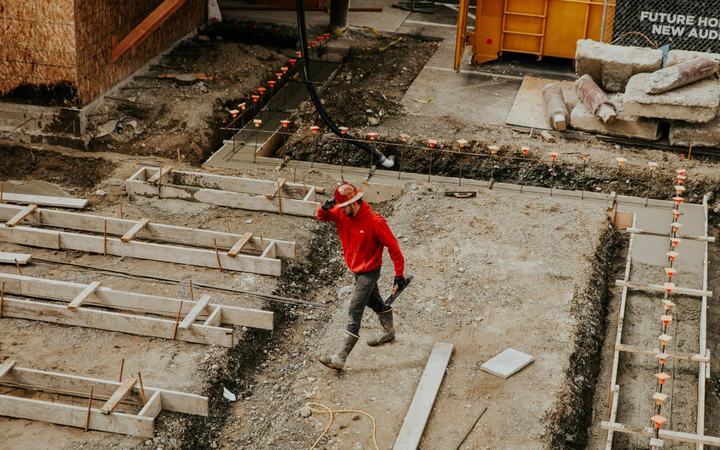
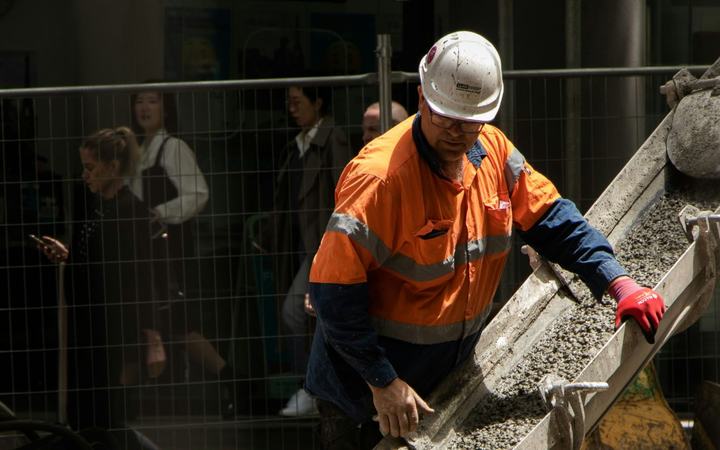
Job hazard analysis: operating a forklift
Move pallets and materials with a forklift on an uneven or busy site.
- 5 steps
- 5 PPE items
- Editable in Reldro
The job hazard analysis
PPE required: Hard hat, Safety glasses, Gloves, Safety boots, High-visibility vest
1. Do the pre-shift check
What could go wrong
Brake, steering, or fork damage
How we control it
Check tires, forks, brakes, horn, lights, and the seat belt. Don't use a truck with a failed item.
2. Pick up the load
What could go wrong
Unstable or overweight loads
How we control it
Check the load against the rating. Center it on the forks. Tilt back slightly.
3. Travel
What could go wrong
Tipping, striking people, poor visibility
How we control it
Carry the load low. Drive slowly on uneven ground. Sound the horn at corners. Use a spotter if you can't see ahead.
4. Place the load
What could go wrong
Loads falling from height
How we control it
Stop, level the mast, and place the load carefully. Keep people clear of the mast.
5. Park
What could go wrong
Rolling away; forks in walkways
How we control it
Lower the forks, set the brake, and remove the key.
- Only trained, authorized operators should drive a forklift. Never lift people on the forks.
When to use it
Use it for operators and people who work around forklifts, and review it when routes or loads change.
Review it with the crew before the work starts, change anything that doesn't match how you'll do the job, and update it when the method, the equipment, or the site changes.
Use this JHA in Reldro
- It arrives ready to edit, and your crew uses it on their phone, even without signal.
- Failed items become corrective actions with an owner and a due date.
- Every completed one is kept with the site, the date and who did it.