Job hazard analysis: receiving and unloading deliveries
Direct delivery vehicles onto the site and unload materials without anyone being struck or strained.
- 4 steps
- 5 PPE items
- Editable in Reldro
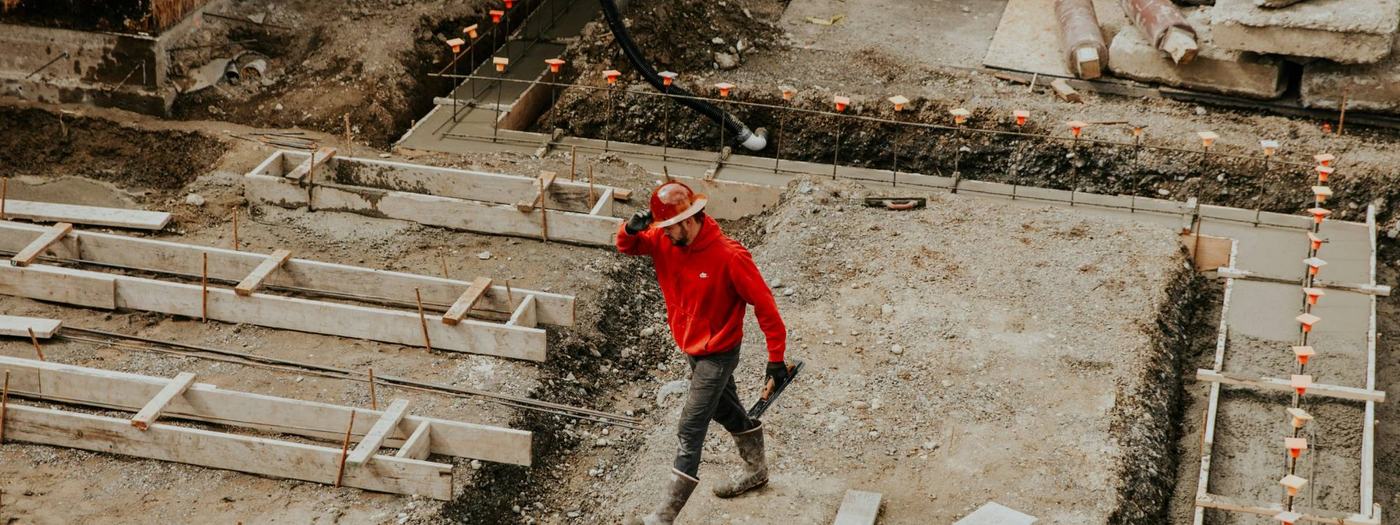
The job hazard analysis
PPE required: Hard hat, Safety glasses, Gloves, Safety boots, High-visibility vest
1. Plan the delivery
What could go wrong
Vehicles arriving without warning; unclear drop zone
How we control it
Book delivery slots. Agree the drop zone, the route in and out, and who receives the load.
2. Bring the vehicle in
What could go wrong
Reversing vehicles striking people; blind spots
How we control it
Use a trained spotter. Keep everyone else out of the route. Make eye contact with the driver before you step in front of the vehicle.
3. Unload
What could go wrong
Loads that shift or fall; strains from handling by hand
How we control it
Use a forklift, telehandler, or crane for heavy items. Release straps carefully, standing to the side. Use two people or a cart for awkward loads.
4. Store the materials
What could go wrong
Stacks that fall; blocked walkways
How we control it
Stack on level ground, keep stacks stable, and keep exits and walkways clear.
- Drivers are visitors. Give them the site rules and the exit route before they unload.
When to use it
Use it for any delivery by truck, and review it when the site layout or the delivery route changes.
Review it with the crew before the work starts, change anything that doesn't match how you'll do the job, and update it when the method, the equipment, or the site changes.
Use this JHA in Reldro
- It arrives ready to edit, and your crew uses it on their phone, even without signal.
- Failed items become corrective actions with an owner and a due date.
- Every completed one is kept with the site, the date and who did it.