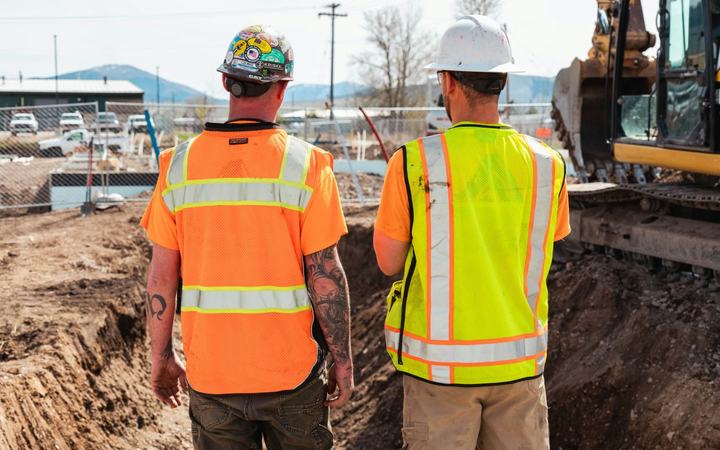
Job hazard analysis: trenching and excavation
Digging trenches and excavations for utilities, footings, and drainage.
- 5 steps
- 5 PPE items
- Editable in Reldro
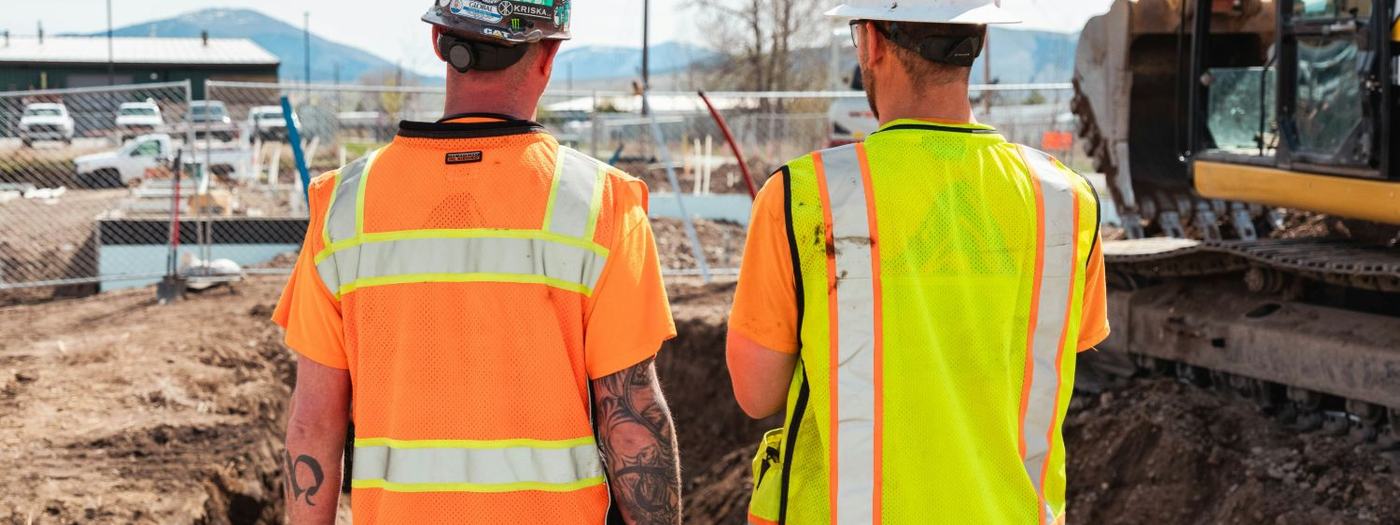
The job hazard analysis
PPE required: Hard hat, Safety glasses, Safety boots, High-visibility vest, Gloves
1. Locate utilities
What could go wrong
Striking gas, electric, water, or communication lines
How we control it
Call the one-call utility locate service and mark the lines. Hand-dig near marks.
2. Plan the protection
What could go wrong
Wall collapse
How we control it
In the US, OSHA requires a protective system (sloping, shoring, or a shield) for trenches 5 feet (1.5 m) or deeper unless in stable rock. A competent person decides what is needed, including for shallower trenches in poor soil.
3. Dig and set the edge
What could go wrong
Spoil or equipment falls back in; vehicles near the edge
How we control it
Keep spoil and equipment at least 2 feet (0.6 m) back from the edge. Barricade the area and keep traffic away.
4. Enter and work
What could go wrong
No way out, water, bad air, a collapse while people are inside
How we control it
Provide a ladder or ramp so workers are never more than 25 feet (7.6 m) of travel from a way out in a trench 4 feet (1.2 m) or deeper. Test the air where a hazard is expected. Never work under a suspended load.
5. Inspect and backfill
What could go wrong
Conditions change after rain or vibration
How we control it
A competent person inspects before work begins each shift and after anything that could change conditions. Backfill and remove protection in the right order.
- A competent person can identify existing and predictable hazards and has the authority to stop work.
- Never enter an unprotected trench to rescue someone.
When to use it
Use it before any excavation work begins, and review it when conditions change, for example after rain.
Review it with the crew before the work starts, change anything that doesn't match how you'll do the job, and update it when the method, the equipment, or the site changes.
Use this JHA in Reldro
- It arrives ready to edit, and your crew uses it on their phone, even without signal.
- Failed items become corrective actions with an owner and a due date.
- Every completed one is kept with the site, the date and who did it.