
Free toolbox talk topics and outlines
Each toolbox talk takes about five minutes at the start of a shift. You'll get what to say, what to ask the crew, and what to record.
What a toolbox talk is
A toolbox talk is a short safety conversation with the crew, usually five to ten minutes, at the start of a shift or before a task. Stick to one topic, ask the crew questions instead of reading to them, and record who was there.
82 templates
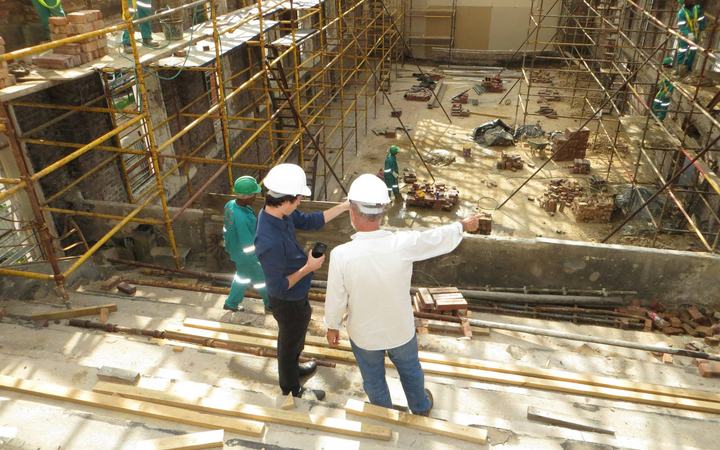 PopularToolbox talkLadder safetyHow to choose, inspect, set up, and climb a ladder.About 5 minutesView
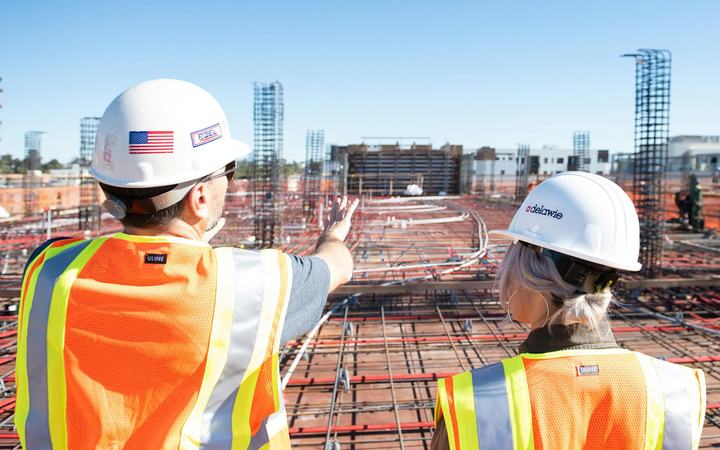 Toolbox talkWorking at height and fall protectionEdges, openings, harnesses, and rescue.About 5 minutesView
 Toolbox talkElectrical safety and lockout/tagoutTreat every wire as live until it is proven dead.About 5 minutesView
 Toolbox talkFire prevention and extinguishersWhere they are, how to use one, and when to leave instead.About 5 minutesView
 Toolbox talkStruck-by and line-of-fire hazardsStay out of the path of moving equipment, loads, and falling things.About 5 minutesView
- Toolbox talkSafe lifting and material handlingProtect your back and shoulders.About 5 minutesView
- Toolbox talkHand and power tool safetyGuards, cords, blades, and the right tool.About 5 minutesView
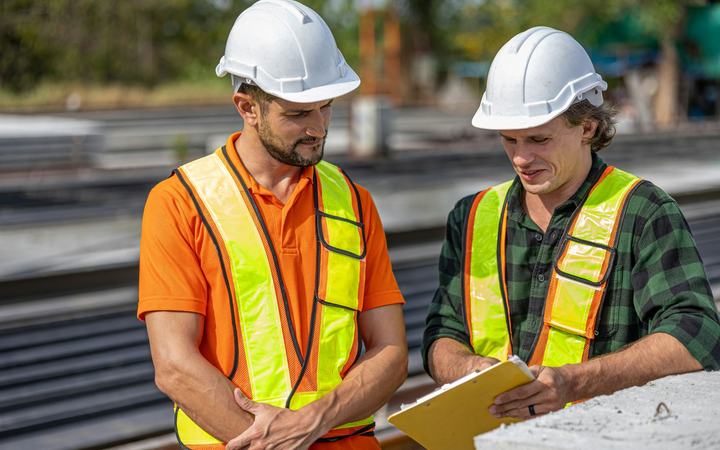 PopularToolbox talkHeat illness preventionWater, rest, shade, and knowing the signs.About 5 minutesView
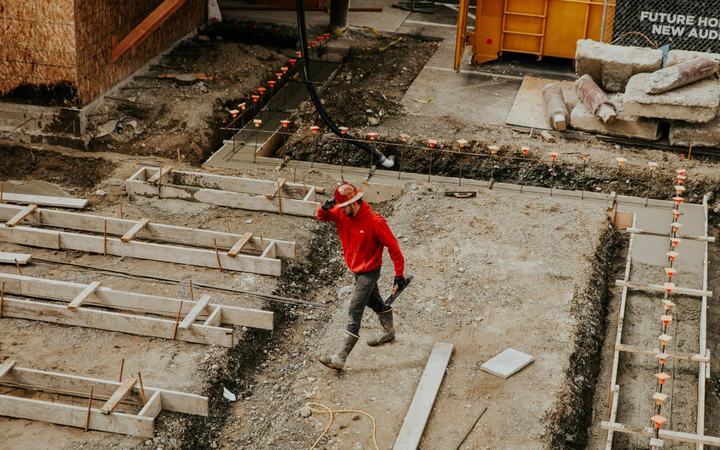 Toolbox talkPersonal protective equipmentChoosing it, checking it, wearing it.About 5 minutesView
- Toolbox talkSlips, trips, and falls on the same levelHousekeeping, cords, wet floors, and walking routes.About 5 minutesView
- Toolbox talkSilica dustCutting, grinding, and drilling concrete, brick, and stone.About 5 minutesView
- Toolbox talkHousekeeping and keeping exits clearTidy sites are safer and faster.About 5 minutesView
- Toolbox talkYour right to stop workAnyone can stop a job that looks unsafe.About 5 minutesView
 Toolbox talkReporting near missesWhy a close call is worth a minute of your time.About 5 minutesView
- Toolbox talkSite rules and orientationThe basics everyone needs on day one.About 5 minutesView
- Toolbox talkWorking in rain, wind, and mudWet and windy conditions change how every task feels.About 5 minutesView
- Toolbox talkLighting and being seenLight the work and make sure people can see you.About 5 minutesView
- Toolbox talkTalking to each other on siteClear signals and calls prevent a lot of accidents.About 5 minutesView
- Toolbox talkStoring tools and materialsStacks, racks, and gang boxes: put things where they're safe.About 5 minutesView
- Toolbox talkLeaving the site safe at day endWhat to do before the last person leaves.About 5 minutesView
- Toolbox talkScaffold safetyKnow what to check before you climb.About 5 minutesView
- Toolbox talkRoof work safetyEdges, openings, and weather on the roof.About 5 minutesView
- Toolbox talkSkylights and floor openingsTreat every hole as a hole, even when it's covered.About 5 minutesView
- Toolbox talkChecking your harness and lanyardA 60-second check before you tie off.About 5 minutesView
- Toolbox talkPlanning a fall rescueFalling is only the first problem.About 5 minutesView
- Toolbox talkMobile scaffold towersRolling towers tip when they're misused.About 5 minutesView
- Toolbox talkScissor and boom lift safetyStay inside the rails and stay clear of the ceiling.About 5 minutesView
- Toolbox talkGuardrails and edge protectionThe best fall protection is the kind you don't have to wear.About 5 minutesView
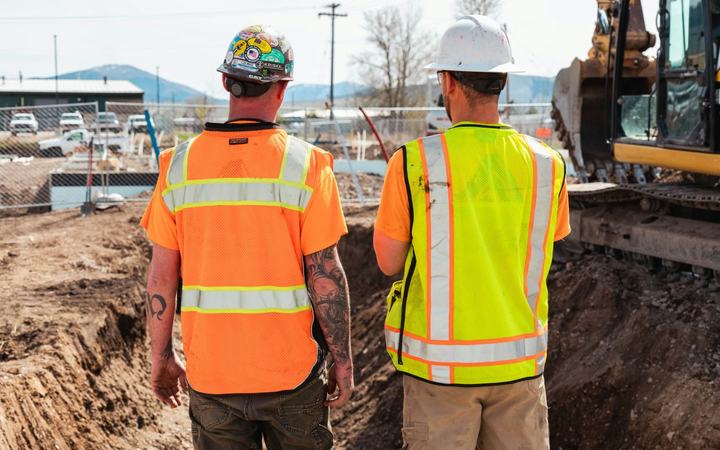 Toolbox talkTrench safetyStay out unless it's protected.About 5 minutesView
- Toolbox talkCalling before you digFind buried services before you hit them.About 5 minutesView
- Toolbox talkExcavator safetyStay outside the swing.About 5 minutesView
- Toolbox talkDump trucks and haul routesBig trucks need space and clear signals.About 5 minutesView
- Toolbox talkSpoil piles and excavation edgesWeight at the edge is a hazard.About 5 minutesView
- Toolbox talkBackfilling safelyFill and compact without hurting anyone.About 5 minutesView
- Toolbox talkUnderground utilitiesKnow what's below you.About 5 minutesView
- Toolbox talkGround conditions after rainWet ground behaves differently.About 5 minutesView
- Toolbox talkLockout and tagoutYour lock, your key, your safety.About 5 minutesView
- Toolbox talkExtension cords and GFCIMost site electrical injuries start with a damaged cord.About 5 minutesView
- Toolbox talkOverhead power linesTreat every line as live.About 5 minutesView
- Toolbox talkHot work and fire preventionSparks travel farther than you think.About 5 minutesView
- Toolbox talkWelding safetyProtect your eyes, skin, lungs, and the site.About 5 minutesView
- Toolbox talkGenerator safetyCarbon monoxide is invisible and deadly.About 5 minutesView
- Toolbox talkArc flash awarenessA bright flash, extreme heat, and no warning.About 5 minutesView
- Toolbox talkTemporary power on siteBoards, cords, and lights need regular checks.About 5 minutesView
- Toolbox talkCranes and riggingStay out from under and out of the swing.About 5 minutesView
- Toolbox talkForklift safetyShare the space and keep the load low.About 5 minutesView
- Toolbox talkTelehandler safetyRead the chart before you reach.About 5 minutesView
- Toolbox talkSkid steer safetyKeep the bucket low and your body inside the cab.About 5 minutesView
- Toolbox talkNail gun safetyTreat it like a firearm.About 5 minutesView
- Toolbox talkGrinder safetyKeep the guard on and the disc right.About 5 minutesView
- Toolbox talkPressure washer safetyThe jet can cut skin.About 5 minutesView
- Toolbox talkJackhammer and breaker safetyNoise, vibration, dust, and flying chips.About 5 minutesView
- Toolbox talkCaring for hand toolsA good tool in good shape is safer.About 5 minutesView
- Toolbox talkCompressed air safetyAir under pressure is a hazard.About 5 minutesView
- Toolbox talkConcrete pour safetyForms, pumps, and wet concrete.About 5 minutesView
- Toolbox talkFormwork safetyBuild to the design and check before the pour.About 5 minutesView
- Toolbox talkRebar and impalement protectionCap every vertical bar.About 5 minutesView
- Toolbox talkMasonry safetyBrace new walls and control dust.About 5 minutesView
- Toolbox talkSteel erection safetyPlan the lift and protect the connectors.About 5 minutesView
- Toolbox talkFraming safetyBrace walls and protect the edge.About 5 minutesView
- Toolbox talkDrywall and ceiling work safetyWork platforms, dust, and strain.About 5 minutesView
- Toolbox talkDemolition and strip-out safetyKnow what you're taking down.About 5 minutesView
- Toolbox talkConfined spacesA confined space can kill in seconds.About 5 minutesView
- Toolbox talkChemical labels and safety data sheetsRead it before you use it.About 5 minutesView
- Toolbox talkSolvents and fumesIf you can smell it, you're breathing it.About 5 minutesView
- Toolbox talkNoise and hearing protectionProtect your hearing now.About 5 minutesView
- Toolbox talkRespirator fit and useA respirator only works if it seals.About 5 minutesView
- Toolbox talkSkin protection and glovesThe right glove for the job.About 5 minutesView
- Toolbox talkAsbestos and lead awarenessIf you aren't sure, stop and ask.About 5 minutesView
- Toolbox talkEye protectionYou only get one pair.About 5 minutesView
- Toolbox talkWork zone traffic safetyTraffic doesn't slow down for the cones.About 5 minutesView
- Toolbox talkSpotters and backing upMost backing accidents have a blind spot in them.About 5 minutesView
- Toolbox talkProtecting the publicPeople outside the fence are our responsibility, too.About 5 minutesView
- Toolbox talkVisitors and deliveriesEveryone on site needs a briefing.About 5 minutesView
- Toolbox talkEmergency evacuationKnow the way out before you need it.About 5 minutesView
- Toolbox talkSpill responseContain it, keep clear, and report it.About 5 minutesView
- Toolbox talkReporting an emergencyWhat to say when you call for help.About 5 minutesView
- Toolbox talkSevere weather planDecide before the storm arrives.About 5 minutesView
- Toolbox talkNew and young workersThe first weeks carry extra risk.About 5 minutesView
- Toolbox talkWorking aloneMake sure someone knows where you are.About 5 minutesView
- Toolbox talkCold stressCold weather affects more than comfort.About 5 minutesView
- Toolbox talkFatigue and long shiftsTired people make more mistakes.About 5 minutesView